

The Ultimate Guide to Soft Foods for Health and Comfort
Soft foods play a vital role in maintaining nutrition and comfort, especially for individuals recovering from surgery, dental procedures, or dealing with digestive sensitivities. These foods are gentle on the mouth, throat, and stomach while still providing essential nutrients for overall health.
What Are Soft Foods?
Soft foods are crafted to be gentle for both eating and digestion, allowing for easy chewing and smooth passage through the stomach. They often require little to no biting and are less likely to irritate sensitive areas in the mouth or digestive system. Common examples include:
-
Mashed or pureed fruits and vegetables
-
Cooked cereals and oatmeal
-
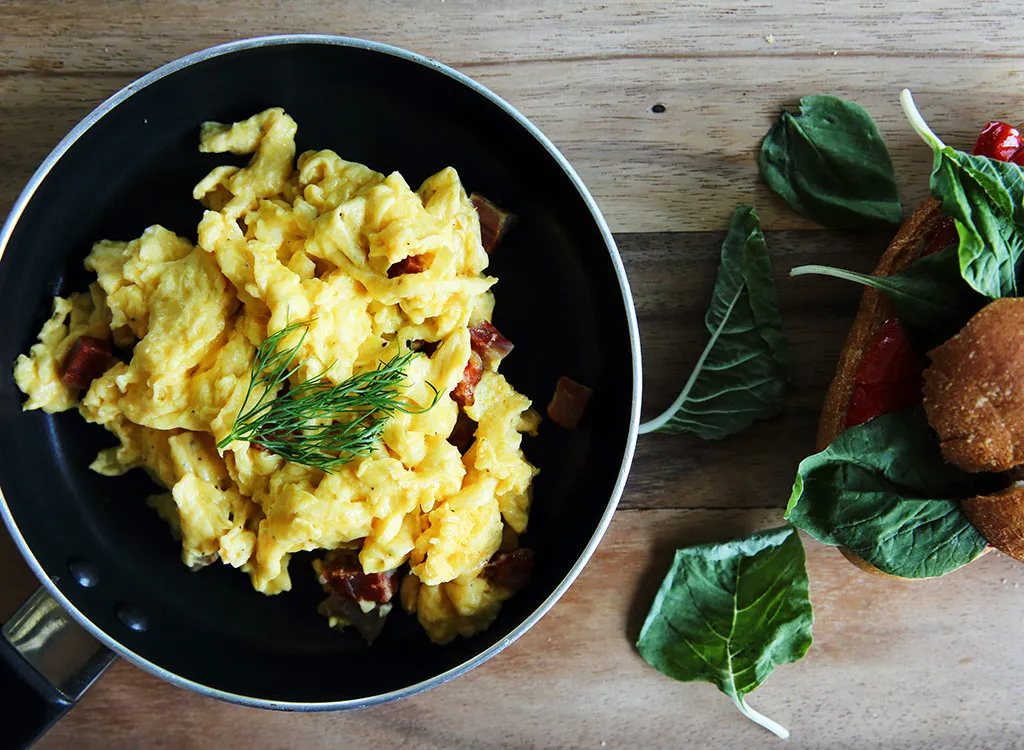
Scrambled eggs or soft tofu
-
Soups and broths
-
Smoothies and protein shakes
-
Soft breads, pancakes, or muffins without nuts
The goal of a soft-food diet is to provide nourishment without causing discomfort, making it suitable for a wide range of people, from seniors to patients with medical conditions.
Health Benefits of Soft Foods
1. Eases Digestion
Soft foods are generally low in fiber or cooked until tender, which makes them easier to digest and reduces strain on the gastrointestinal system.
2. Supports Recovery
After surgery, dental procedures, or illness, soft foods allow the body to heal while still receiving essential nutrients.
3. Prevents Choking
Soft, moist foods reduce the risk of choking, making them ideal for older adults, children, and individuals with swallowing difficulties.
4. Maintains Nutritional Balance
By carefully choosing soft foods, you can ensure your diet includes protein, vitamins, minerals, and healthy fats, supporting overall health even when harder foods are off-limits.
Tips for Preparing Soft Foods
-
Cook Until Tender: Steaming, boiling, or slow-cooking vegetables and meats ensures they are soft enough to eat comfortably.
-
Use Purees and Mashes: Foods like mashed potatoes, pumpkin puree, or blended soups are easy to swallow and digest.
-
Incorporate Smoothies: Combine fruits, vegetables, and protein powders for a nutrient-packed drinkable meal.
-
Add Healthy Fats: Incorporate oils, avocado, or nut butters (if safe) to enhance flavor and nutritional content.
-
Season foods lightly with mild flavors to make them tasty yet gentle on sensitive mouths or stomachs.
Soft Foods for Specific Needs
For Dental Sensitivity or Tooth Pain
-
Yogurt, applesauce, oatmeal, scrambled eggs, mashed bananas
For Digestive Comfort
-
Broths, soft-cooked vegetables, white rice, soft noodles, smoothies
For Seniors or Difficulty Swallowing
-
Puddings, cottage cheese, mashed potatoes, blended soups
For Post-Surgery Recovery
-
Consider protein shakes, tender eggs, easy-to-digest cereals, and smooth fruit and vegetable purees.
Common Mistakes to Avoid
-
Overprocessing Foods: Pureeing everything can reduce texture variety, which may affect appetite and enjoyment.
-
Don’t skip protein: soft foods should still deliver the nutrients needed for muscle maintenance and recovery.
-
Ignoring Hydration: Soft foods alone aren’t enough—drink plenty of fluids to aid digestion and overall health.
-
Excess Sugar or Salt: Avoid overly sweet or salty soft foods to maintain balanced nutrition.
Conclusion
Soft foods are more than a temporary solution—they can provide comfort, nutrition, and healing support when prepared thoughtfully. By including a variety of purees, cooked vegetables, soft proteins, and smoothies, you can enjoy a diet that is gentle on the body yet rich in essential nutrients.
Whether recovering from surgery, managing dental sensitivity, or easing digestive issues, soft foods ensure that health and comfort go hand in hand, proving that nourishing your body doesn’t have to be hard.
