

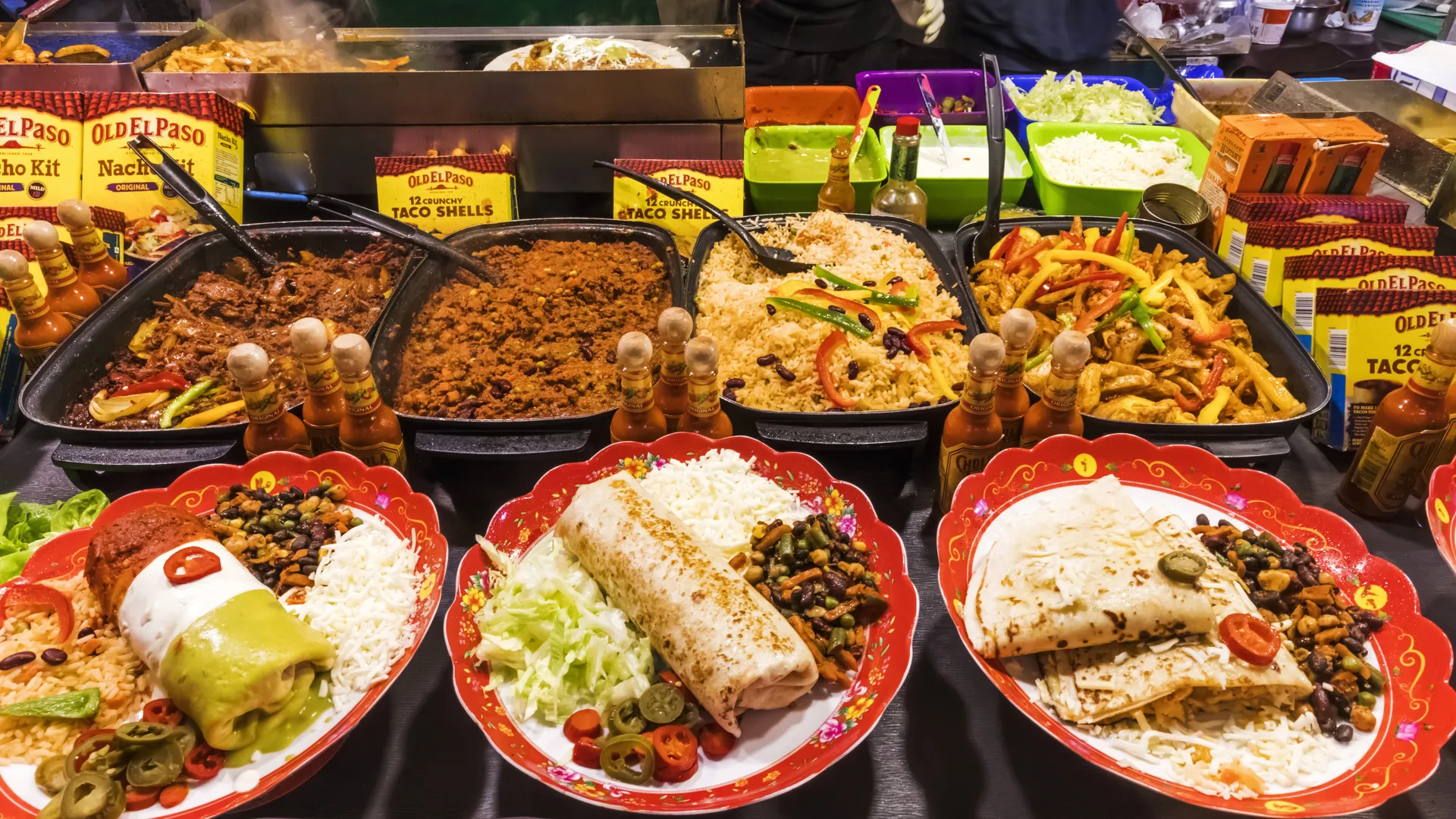
Food Industry Mexico: Tradition, Innovation, and Global Flavor
The food industry Mexico is more than just an economic powerhouse—it is a vibrant blend of tradition, cultural heritage, and modern innovation. From ancient indigenous recipes to cutting-edge food technology, Mexico’s food sector has positioned itself as one of the most influential players on both the regional and global stage.
A Heritage Rooted in Tradition
The roots of Mexico’s cuisine are inseparable from its rich historical heritage. Staple ingredients such as maize, beans, cacao, chili peppers, and tomatoes originated in Mesoamerica and continue to shape the foundation of countless dishes. Traditional foods like tortillas, tamales, and mole are not only daily staples but also cultural symbols recognized by UNESCO as part of the world’s intangible heritage.
Local cuisines vary across regions, reflecting Mexico’s diversity. For example, Oaxaca is renowned for its seven varieties of mole, Yucatán for its Mayan-inspired dishes such as cochinita pibil, and northern states for their beef and cheese traditions. These flavors have influenced international gastronomy, making Mexican cuisine one of the most celebrated globally.
Driving the Economy
Mexico’s food industry stands as a cornerstone of the national economy, driving both job creation and a substantial share of the country’s GDP. The sector spans the entire chain—covering farming, processing, dining, and international trade. Mexico ranks among the top producers of avocado, coffee, beer, and tequila, products that have become global favorites.
Exports play a vital role. Mexican food and beverages are shipped to the United States, Europe, and Asia, creating opportunities for growth and international collaboration. This not only strengthens the economy but also positions Mexico as a cultural ambassador through its flavors.
Innovation and Modern Shifts
While tradition remains at the heart of Mexican food, innovation is transforming the industry. Startups and established companies are investing in food technology, sustainable farming, and health-conscious products. Plant-based alternatives, organic produce, and eco-friendly packaging are gaining traction as consumer demands evolve.
Digital platforms and delivery services have also reshaped the restaurant scene, making Mexican food more accessible to international audiences. From gourmet dining experiences to street food delivered at your doorstep, the industry adapts to modern lifestyles without losing its authenticity.
Global Flavor, Local Soul
What makes the Mexican food industry unique is its ability to balance global appeal with local soul. The flavors remain true to their roots, even as chefs and entrepreneurs experiment with fusion cuisine and contemporary techniques. This combination of authenticity and adaptability has ensured Mexico’s food industry continues to thrive both domestically and worldwide.
Conclusion
Mexico’s food industry reflects a legacy of strength, innovation, and deep-rooted cultural identity. It bridges the past with the future—where ancient flavors meet modern technology, and local traditions evolve into global phenomena. As it continues to expand, Mexico’s food industry not only feeds the world but also shares its identity, one dish at a time.
