

Introduction
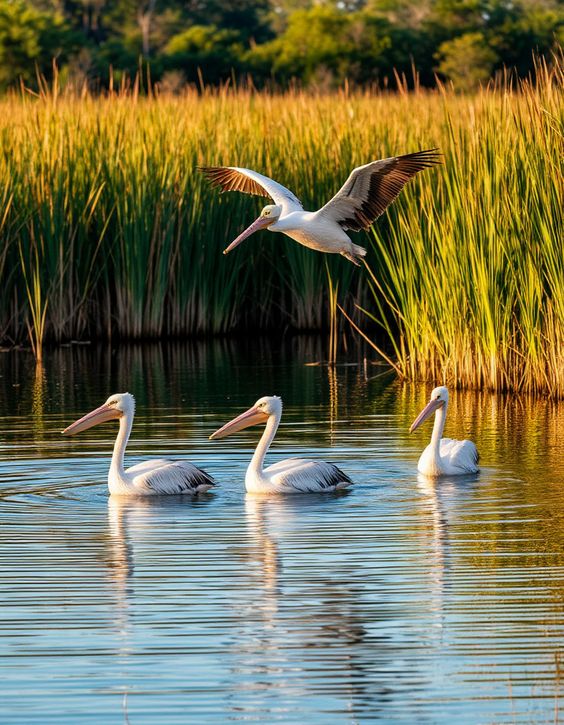
Wetlands are among the most vibrant and vital ecosystems on Earth, offering shelter, nourishment, and breeding grounds for countless species. Among these inhabitants, wetland birds stand out for their elegance, adaptability, and ecological significance. From the delicate wading herons to the agile kingfishers darting over rippling waters, these birds bring life, color, and song to the reeds and marshes. Observing them is not just an opportunity to appreciate nature’s artistry but also a window into the intricate balance of wetland ecosystems.
The Diversity of Wetland Birds
Wetlands host a rich variety of bird species, each uniquely adapted to its environment. grets and herons, poised on long, delicate legs, move gracefully through the shallows, expertly hunting for fish and amphibians. Ducks and geese dominate open ponds and marshes, their social behaviors adding energy and movement to the tranquil waters. Meanwhile, smaller birds like the reed warblers and marsh wrens weave through the dense vegetation, contributing songs that define the soundscape of wetlands.
Adaptations That Inspire
The birds of wetlands exhibit remarkable adaptations that allow them to thrive in these watery habitats. Many have specialized feet for navigating soft mud or long bills for fishing, while plumage often blends with reeds and grasses for camouflage. Migratory species rely on wetlands as critical stopover points during long journeys, making these habitats essential not only locally but globally for avian survival.
Ecological Importance
Beyond their striking beauty, wetland birds serve as vital signals of the ecosystem’s overall health. Their presence signals a well-functioning ecosystem, while declines can warn of pollution, habitat loss, or climate change impacts. Birds help control insect populations, disperse seeds, and maintain the delicate balance between water, plants, and other wildlife.
Conservation Efforts
Protecting wetland habitats is vital for sustaining bird populations. Conservation strategies include preserving natural marshes, restoring degraded wetlands, and implementing sustainable water management practices. Community engagement, birdwatching programs, and education initiatives also play a key role in raising awareness and fostering stewardship.
Conclusion
The reeds of wetlands hide a world of grace and vitality, where birds move with purpose, song, and elegance. Discovering wetland birds allows us to witness nature’s artistry while understanding the essential role these habitats play in maintaining ecological harmony. By valuing and protecting these birds and their homes, we not only preserve biodiversity but also ensure that the wetlands continue to thrive as sanctuaries of life, beauty, and inspiration.
