

Introduction
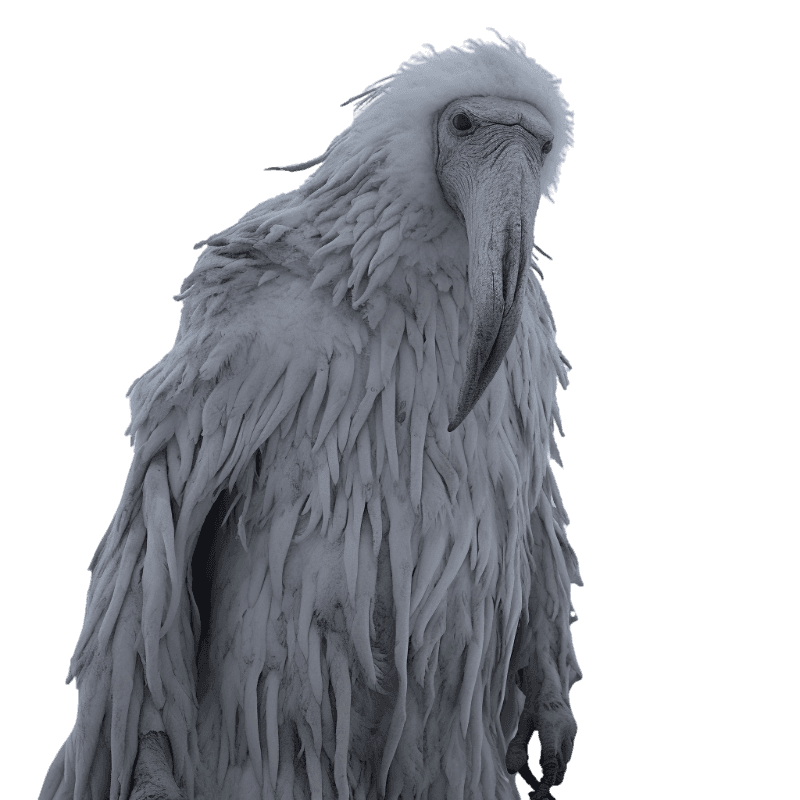
Among the most captivating creatures of the avian world, the Opium Bird stands out with its striking colors and mysterious aura. Found in select remote forests, this bird has fascinated ornithologists, artists, and storytellers alike. Its vibrant plumage, often a mix of deep indigo, golden amber, and crimson highlights, creates an almost surreal spectacle in flight. But beyond its physical beauty, the Opium Bird has inspired myths, legends, and curiosity about its elusive behavior, making it one of nature’s most intriguing enigmas.
Colors that Speak Volumes
The Opium Bird’s feathers are more than a visual delight; they serve as a communication tool and a survival mechanism. Males often display their colorful plumage during mating rituals to attract females, while the subtle shifts in hue can signal mood or territorial presence. Unlike common birds, whose colors may fade with seasons, the Opium Bird’s pigments remain vivid throughout the year, hinting at a unique diet and specialized genetics.
Legends and Myths
In the regions where the Opium Bird is native, folklore often intertwines with reality. Local tales describe the bird as a messenger between the human world and mystical realms, attributing magical properties to its song. Some myths claim that spotting an Opium Bird brings good fortune or inspires creativity, which is why artists and poets frequently reference it in their works. These stories add an enigmatic layer to the bird, making it not just a marvel of biology but a symbol of wonder and imagination.
Hidden Habits and Behavior
Despite its vivid appearance, the Opium Bird is notoriously elusive. It prefers dense canopies, making sightings rare and cherished by birdwatchers. Its feeding habits are equally fascinating—it primarily consumes nectar, small fruits, and occasionally insects, playing a crucial role in pollination and seed dispersal. Observers have also noted unique nocturnal activity, a trait uncommon among similar-sized birds. These hidden behaviors underscore how little is fully understood about the species, leaving room for continued exploration and study.
Conclusion
The Opium Bird is a testament to the beauty and mystery of the natural world. Its vibrant colors, legendary status, and secretive habits combine to make it a subject of fascination for scientists, artists, and storytellers alike. While myths elevate its mystique, careful observation reveals an intricate and intelligent creature thriving quietly in its habitat. Protecting this rare species ensures that its colors continue to illuminate forests, its songs continue to inspire myths, and its secrets continue to challenge human curiosity for generations to come.
