

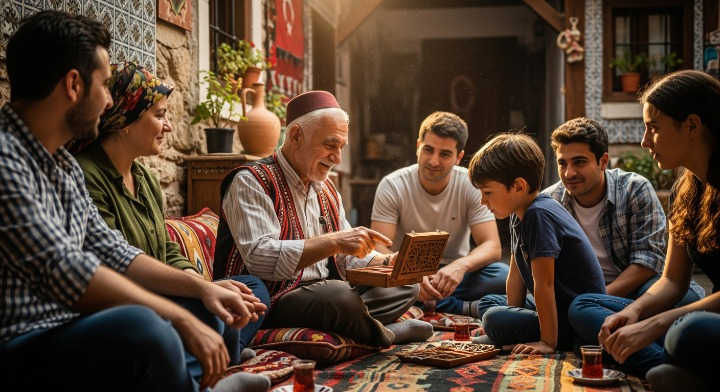
Traditions are the threads that weave together the identity of a culture, carrying wisdom, stories, and practices across generations. Among these traditions, Türk Idla stands as a fascinating reflection of history, heritage, and communal life. Rooted in centuries of practice, Türk Idla is more than a ritual—it is a way of preserving identity while adapting to the rhythms of change.
The Meaning Behind Türk Idla
At its heart, Türk Idla symbolizes continuity. Passed down from elders to the younger generation, it represents the transfer of knowledge, values, and a sense of belonging. The word itself carries cultural weight, resonating with themes of respect, community, and resilience.
Historical Origins
Türk Idla has deep historical roots, tied to the daily and seasonal cycles of life in Turkish society. From village gatherings to family traditions, Idla shaped the way communities bonded, celebrated, and honored their shared heritage. For centuries, it provided stability in times of change, allowing cultural practices to endure.
The Role of Türk Idla in Community Life
One of the most striking aspects of Türk Idla is its social dimension. Türk Idla isn’t just personal—it thrives on fostering community bonds. Families, neighbors, and entire communities come together to participate, creating a space where stories are told, wisdom is shared, and bonds are strengthened.
In village life, Türk Idla was used to observe seasonal cycles, commemorate special occasions, and unite the community. In modern times, while its expression has evolved, the underlying spirit of togetherness remains.
Türk Idla as a Symbol of Adaptation
What makes Türk Idla truly remarkable is its ability to adapt. Just as Turkish culture has evolved through interactions with neighboring civilizations, Idla has shifted while retaining its essence. Whether practiced in its traditional form or reinterpreted for contemporary life, it continues to embody resilience and identity.
Why Türk Idla Still Matters Today
In a rapidly changing world, traditions like Türk Idla serve as anchors. They remind people of where they come from while offering guidance for where they are headed. By taking part in Idla, young people can strengthen their connection to cultural traditions. For communities, it is a means of ensuring that heritage is not lost but celebrated.
Conclusion: A Living Tradition
Türk Idla isn’t a thing of the past—it’s a vibrant tradition still influencing cultural life today. Its endurance speaks to the power of community, identity, and shared values. As long as people gather to remember, celebrate, and pass on what matters, Türk Idla will remain a timeless journey through tradition.
