

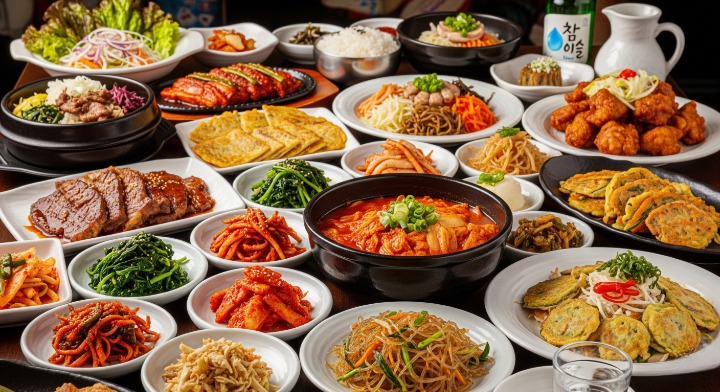
Korean cuisine is a captivating blend of history, tradition, and bold flavors. It is more than just food—it is a reflection of Korea’s culture, values, and the artistry of generations who have perfected its dishes. From humble street food to elaborate ceremonial meals, each dish tells a story that celebrates both taste and heritage.
The Heart of Korean Cuisine
At the core of Korean cooking is balance. Koreans emphasize harmony in flavors, colors, and nutrition. Meals are often served with multiple side dishes called banchan, which complement the main dish and create a rich, diverse dining experience. Fermentation, grilling, and stir-frying are traditional techniques that give Korean food its unique depth, aroma, and health benefits.
Iconic Korean Food Dishes
1. Kimchi – Korea’s Signature Fermented Delight
Kimchi, made primarily from fermented vegetables like napa cabbage and radishes, is a cornerstone of Korean cuisine. Spiced with chili, garlic, and ginger, kimchi is not just flavorful—it’s packed with probiotics, vitamins, and antioxidants. It reflects Korea’s resourcefulness and tradition of preserving vegetables through long winters.
2. Bibimbap – Harmony in Every Bite
Bibimbap, which translates to “mixed rice,” is a dish that perfectly embodies balance. A bowl of rice is topped with an assortment of vegetables, a fried egg, and sometimes meat, all drizzled with spicy gochujang sauce. Traditionally served in a hot stone bowl, it symbolizes the Korean principle of combining different elements to create harmony in taste and nutrition.
3. Bulgogi – Sweet and Savory Perfection
Bulgogi, thinly sliced marinated beef, is one of Korea’s most famous dishes. The marinade of soy sauce, garlic, sesame oil, and sugar tenderizes the meat while infusing it with rich flavors. Once a royal delicacy, bulgogi has become a favorite across all levels of society, representing the inclusivity and sharing inherent in Korean food culture.
4. Japchae – Stir-Fried Noodles of Celebration
Japchae is a dish of stir-fried glass noodles, vegetables, and sometimes meat, often served during festive occasions. Originating from the Joseon Dynasty, it combines chewy noodles with a colorful mix of carrots, spinach, mushrooms, and onions, seasoned with sesame oil and soy sauce. Its visual appeal and delightful taste make it a celebratory favorite.
5. Tteokbokki – Spicy Street Food Icon
Tteokbokki, chewy rice cakes in a sweet and spicy gochujang sauce, is a beloved street food snack. Originally a royal court dish, it became popular among the general public over time. Its bold flavors and comforting texture reflect the adaptability of Korean cuisine and its ability to bring people together over shared meals.
The Cultural Significance of Korean Meals
Korean dining emphasizes sharing and community. Meals are rarely eaten alone, and side dishes are meant to be passed around the table, fostering connection and conversation. Each dish carries cultural symbolism, whether it’s the health benefits of fermented foods, the balance in bibimbap, or the celebratory nature of japchae.
Modern Korean Cuisine
Korean cuisine continues to evolve, blending traditional techniques with contemporary influences. From high-end restaurants in Seoul to food trucks in New York, the flavors and stories of Korean food dishes are reaching a global audience. Whether you’re enjoying spicy kimchi, savory bulgogi, or comforting tteokbokki, each bite is a taste of Korea’s rich heritage.
Conclusion
The best Korean food dishes do more than satisfy hunger—they celebrate culture, history, and flavor. Each dish carries a story of tradition, innovation, and shared experience, making Korean cuisine a truly immersive culinary journey. Exploring these dishes allows you not only to enjoy incredible flavors but also to connect with the soul of Korean culture.
