

Introduction
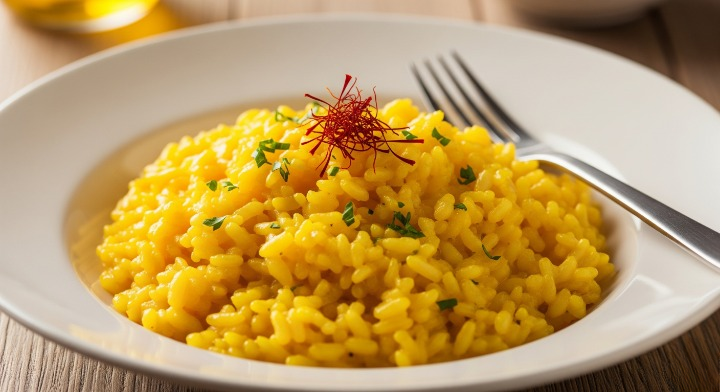
Few dishes capture the heart of Italian cuisine as beautifully as risotto. Creamy, comforting, and endlessly versatile, risotto embodies the artistry of transforming simple ingredients into something truly elegant. Among its many variations, saffron risotto—known in Italy as Risotto alla Milanese—stands out as a golden jewel. With its delicate flavor, luxurious aroma, and striking color, this dish is more than food; it is a symbol of tradition, culture, and culinary excellence. Saffron risotto exemplifies how one spice, paired with technique, can elevate a humble grain of rice into an unforgettable dining experience.
The Origins of Saffron Risotto
The history of saffron risotto is deeply tied to Milan, where the dish is believed to have originated in the 16th century. Legend tells of an apprentice working on the stained-glass windows of Milan’s Duomo cathedral who loved using saffron pigments in his art. For a wedding banquet, he humorously added saffron to the rice dish, creating what would later become the iconic Risotto alla Milanese. What began as an experiment soon became one of the most beloved dishes in Italian cuisine.
Over time, saffron risotto became a staple in Northern Italy, particularly in Lombardy. Unlike pasta-centric regions, Northern Italy’s culinary traditions often revolve around rice, thanks to the fertile rice paddies of the Po Valley. The introduction of saffron transformed risotto from a local dish into a culinary masterpiece celebrated worldwide.
The Magic of Saffron
At the heart of this dish lies saffron, often referred to as “red gold.” Harvested from the delicate stigmas of the crocus flower, saffron is one of the most expensive spices in the world. Just a few strands can infuse rice with a vibrant golden hue and a subtle, earthy aroma that is unmistakable.
What makes saffron so special is its ability to add depth without overpowering the other flavors in the dish. It brings balance, elegance, and a hint of luxury to a plate that is otherwise built on humble ingredients. For Italians, saffron risotto is not only a meal but also a celebration of the artistry of cooking with intention and precision.
Crafting the Perfect Saffron Risotto
Making saffron risotto is both an art and a science. While the ingredient list is relatively short, the technique is everything. The process involves coaxing starch from the rice through slow, steady stirring, creating that signature creaminess without relying on heavy cream.
Key elements include:
-
Rice Choice: Arborio, Carnaroli, or Vialone Nano are the preferred varieties, known for their ability to absorb flavor while maintaining structure.
-
Saffron: Infused in warm broth to release its full flavor and color before being incorporated.
-
Broth: A rich chicken or vegetable stock enhances the base of the dish.
-
Onions and Butter: Provide depth and richness, contributing to risotto’s smooth texture.
-
Parmesan Cheese: Stirred in at the end, Parmesan brings salty nuttiness that ties the flavors together.
The final result is a silky, golden dish that offers a harmony of flavor, aroma, and texture.
Cultural and Culinary Significance
Saffron risotto is more than a meal; it is part of Italy’s culinary identity. In Milan, it is often served alongside ossobuco—braised veal shanks—forming a traditional pairing that exemplifies Northern Italian dining. The dish is also symbolic of celebration, served at weddings, family gatherings, and festive occasions.
Globally, saffron risotto has come to represent refinement in Italian cooking. It is featured in fine-dining restaurants and cooking schools as a benchmark for mastering risotto technique. For home cooks, it offers an opportunity to embrace both simplicity and sophistication in one dish.
Modern Interpretations
While the classic recipe remains timeless, modern chefs often experiment with saffron risotto by adding unique twists. Some incorporate seafood such as scallops or prawns, while others play with vegetables like asparagus or mushrooms to create seasonal variations. Even vegan adaptations have emerged, substituting butter and cheese with plant-based alternatives while keeping the essence of saffron intact.
Despite these variations, the soul of the dish remains unchanged: saffron’s golden touch that turns rice into art.
Conclusion
Saffron risotto is a dish that captures the very spirit of Italian culinary artistry. From its origins in Milan to its status as a global icon, it tells a story of tradition, creativity, and timeless flavor. Each spoonful carries not only the richness of saffron but also the history of a culture that values craftsmanship in cooking. Whether enjoyed in a rustic Milanese kitchen or a modern restaurant abroad, saffron risotto remains a golden classic—one that continues to remind us of the beauty found in simplicity and the elegance of Italian cuisine.
