

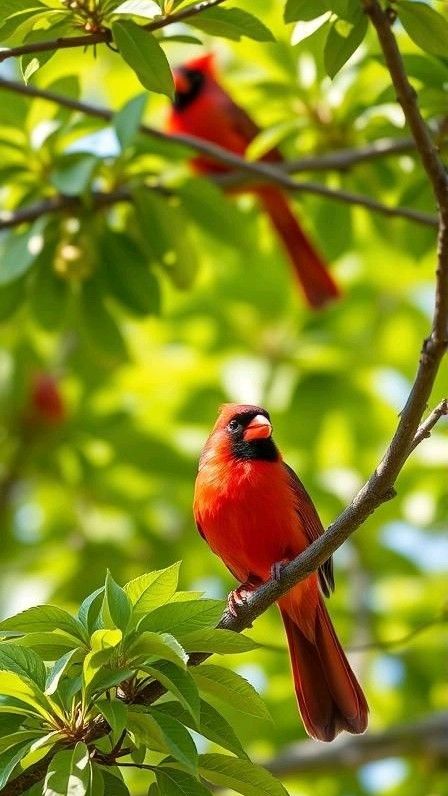
Red Birds: A Stunning Look at Nature’s Scarlet Flyers
Red birds have long captivated birdwatchers and nature enthusiasts alike with their vibrant plumage and striking presence. From the brilliant cardinal to the fiery scarlet tanager, these birds add a splash of color to forests, gardens, and skies. But red birds aren’t just visually stunning—they also play important roles in their ecosystems, contributing to seed dispersal, pollination, and insect control.
The Most Iconic Red Birds
1. Northern Cardinal
The male boasts a bright red body contrasted with a black mask around the face, while females display a softer, reddish-brown hue. Cardinals are known for their melodic songs, which can often be heard echoing through backyards and woodlands.
2. Scarlet Tanager
Scarlet Tanagers are summer visitors in North America, spending winters in South America. The males flaunt striking red feathers with contrasting black wings and tails, while females display a softer yellow-green hue. These birds thrive in deciduous forests and are often spotted foraging for insects and fruits high in the canopy.
3. Red Crossbill
Red Crossbills have unique, crossed bills that allow them to extract seeds from conifer cones. Their reddish plumage varies from bright crimson to orange, depending on the individual. These birds are adapted to coniferous forests and are fascinating examples of evolutionary specialization.
4. Summer Tanager
The Summer Tanager is another brilliantly red bird, mostly found in open woodlands and forest edges. Males are entirely red, while females are yellowish-green. They primarily feed on insects such as bees and wasps, and are admired for their gentle, musical calls.
Why Red Birds Are Important
Red birds serve essential ecological roles. By consuming insects, they naturally keep pest populations in check, while also assisting in seed dispersal and pollination, which promotes plant growth and overall biodiversity. Beyond ecology, red birds are important indicators of environmental health, as their presence often signals a well-balanced ecosystem.
Tips for Observing Red Birds
-
Provide Food: Offer bird feeders with seeds and fruits to attract red birds to your backyard.
-
Plant Native Trees: Trees like oaks, maples, and pines provide natural habitats and food sources.
-
Keep a Safe Distance: Observe birds without disturbing their natural behaviors.
-
Bring binoculars and field guides to elevate your birdwatching, making it easier to spot and identify different species.
Conclusion
Red birds are more than just a feast for the eyes—they are vital members of the natural world. Ranging from the well-known Northern Cardinal to the rare Scarlet Tanager, these crimson birds bring vibrant color, melodious songs, and vital ecological contributions to our landscapes. Observing and protecting red birds allows us to connect with nature while preserving the delicate ecosystems they inhabit. So next time you spot a flash of red among the trees, take a moment to appreciate these stunning and remarkable creatures.
