

Introduction
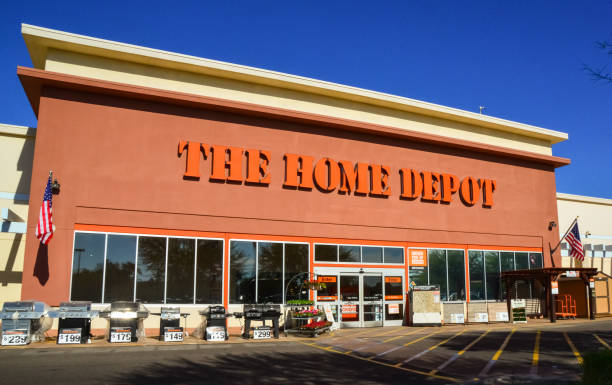
The home improvement industry is undergoing a significant shift as one of Home Depot’s major competitors announces store closures nationwide. This shift in the home improvement landscape prompts homeowners, contractors, and DIYers to reconsider product availability, costs, and the evolving retail options for their projects. Understanding the reasons behind this closure and its potential impact can help consumers make informed decisions for their upcoming projects.
Reasons Behind the Closure
Several factors contributed to the closure of this home depot rival closing:
-
Market Competition – Home Depot and Lowe’s dominate the home improvement sector, making it challenging for other chains to maintain profitability.
-
Rising Operational Costs – Increased labor, logistics, and supply chain expenses have strained margins for smaller or mid-sized competitors.
-
Shift to E-Commerce – Consumers are increasingly purchasing tools, materials, and home products online, reducing foot traffic to physical stores.
-
Changing Consumer Preferences – Homeowners are leaning toward specialized local stores or online marketplaces, affecting large chain sales.
Impact on Homeowners
The closure affects homeowners in several ways:
-
Limited Store Access – Fewer physical locations may mean longer travel times to purchase tools or building materials.
-
Potential Price Changes – With reduced competition, prices for certain items may increase in some regions.
-
Shift to Online Shopping – Homeowners may need to rely more on online options, delivery services, and alternative retailers.
-
Impact on Local Contractors – Smaller suppliers and contractors who sourced products from the closed stores may need to find alternative suppliers.
Opportunities for Consumers
While closures may seem inconvenient, homeowners can also benefit by adapting to new options:
-
Explore E-Commerce Options – Online stores often provide wider selections and competitive pricing.
-
Support Local Hardware Stores – Local shops may offer personalized service and niche products unavailable at large chains.
-
Plan Ahead – Stocking up on essential tools and materials before closures or price increases can save time and money.
-
Consider Alternative Brands – Diversifying suppliers can introduce homeowners to higher-quality or budget-friendly alternatives.
The Future of Home Improvement Retail
This closure signals a broader transformation in the home improvement sector. Retailers must adapt to evolving consumer behavior, including the rise of online shopping, DIY trends, and the demand for personalized service. Home Depot’s continued dominance may bring convenience, but also less competition, making it crucial for homeowners to stay informed about market shifts.
Conclusion
The closure of a major Home Depot rival marks a pivotal moment in the home improvement industry. While it presents challenges such as fewer store options and potential price changes, homeowners can also seize opportunities by exploring online options, supporting local suppliers, and planning projects strategically. Staying aware of these changes ensures that DIY enthusiasts and professional contractors alike can continue to complete their projects efficiently, despite the evolving retail landscape.
