

Introduction
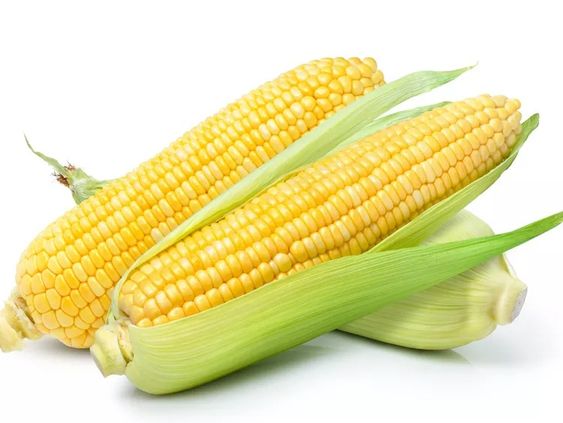
Corn is one of the most widely consumed foods in the world, appearing in everything from fresh corn on the cob to processed snacks. But despite its popularity, there is often confusion about its true classification. Is corn a vegetable, a grain, or even a fruit? Understanding the scientific and culinary distinctions is key to answering this question and knowing where corn fits in a healthy diet.
The Botanical Perspective
Botanically speaking, corn falls into the grain category. Grains are the seeds of plants in the grass family, and corn kernels fit this definition perfectly. Each kernel is technically a seed that can grow into a new corn plant. This categorization groups corn with other cereals like wheat, rice, and barley, meaning that from a botanical perspective, corn does not qualify as a vegetable.
The Culinary Perspective
While botanists see corn as a grain, the culinary world often treats it differently. When harvested young and eaten fresh, corn is commonly used like a vegetable in cooking. Sweet corn, for instance, is tender, juicy, and often served as a side dish or incorporated into salads, soups, and casseroles. In this context, corn behaves like a vegetable, and nutrition guidelines sometimes categorize it as such due to its nutrient content, including fiber, vitamins, and minerals.
Nutritional Insights
Corn provides essential nutrients that make it a valuable part of the diet. It contains carbohydrates for energy, dietary fiber for digestion, and various vitamins such as B-complex vitamins and vitamin C. While it may be technically a grain, its nutritional profile and culinary usage allow it to serve the same purpose as vegetables in meals.
Conclusion
So, is corn a vegetable? The answer depends on perspective. Botanically, corn is a grain, but culinarily and nutritionally, it can function as a vegetable, especially when consumed fresh. Understanding this dual identity helps clarify dietary choices and demonstrates how nature sometimes defies simple categorization. Corn is a versatile food, bridging the gap between grains and vegetables, and it remains an essential part of diets around the world.
