

Introduction
Lighting plays a crucial role in shaping the ambiance and mood of any space. While the type of light fixture is important, the lamp shade itself often becomes the unsung hero of interior design. Lamp shade shades are more than just decorative accessories; they are transformative elements that influence how light interacts with your room, create visual interest, and reflect personal style. From soft, ambient glows to dramatic, statement-making illuminations, the right lamp shade can redefine your living environment. In this article, we explore the versatility, design potential, and functional benefits of lamp shade shades and how they can truly transform spaces with light and style.
The Power of Lamp Shade Shades
Lamp shades are not just functional; they are essential design tools. Their primary purpose is to diffuse and soften light, preventing harsh glare while providing a warm, inviting atmosphere. The material, color, shape, and texture of a lamp shade all impact the quality and character of light in a room. For example, a white linen shade offers soft, even illumination ideal for reading or relaxing, whereas a metallic or dark-colored shade can direct light downward, creating a dramatic, focused effect.
Moreover, lamp shade shades have the power to influence the perception of space. In small rooms, light-colored or translucent shades can make the area feel more open and airy. In larger spaces, bold patterns or oversized shades can act as visual anchors, adding depth and sophistication. Choosing the right lamp shade is a strategic way to control the mood of a room without altering the architecture or investing in complex lighting solutions.
Styles and Materials: Beyond Functionality
The modern market offers a wide array of lamp shade shades, ranging from minimalist and contemporary to ornate and classic. Materials like fabric, paper, glass, metal, and even natural fibers allow for diverse textures and light diffusion techniques. Fabric shades, for instance, provide soft, ambient lighting perfect for bedrooms and living areas, while glass or acrylic shades can enhance brightness in workspaces or kitchens.
Shapes also play a critical role. Drum shades are sleek and modern, suitable for clean-lined interiors, while bell-shaped shades exude elegance and tradition. Cone and cylinder shades create directional lighting, ideal for reading nooks or task lighting. Even within the same material and shape, color can dramatically alter the visual effect—neutral tones offer subtle sophistication, while vibrant hues become focal points that draw the eye.
Lamp Shades as a Statement Piece
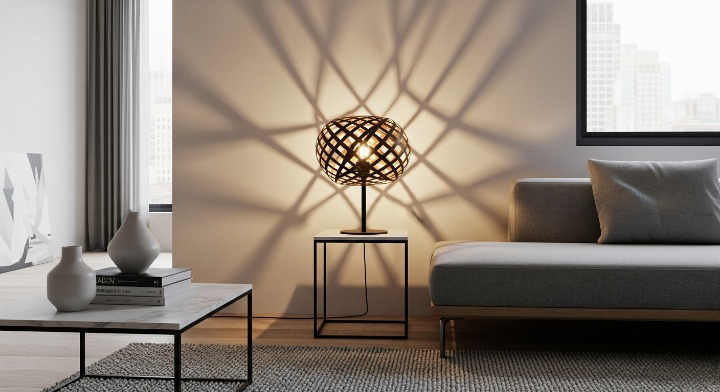
Beyond their functional purpose, lamp shade shades have emerged as significant decor statements. Designers often use them to inject personality and artistic flair into interiors. For instance, a hand-painted shade or a sculptural design can serve as a centerpiece in an otherwise minimalist room. Patterned shades—floral, geometric, or abstract—can complement wallpaper, upholstery, or wall art, creating a cohesive visual narrative.
Lighting is no longer just about visibility; it’s about expression. Lamp shades give homeowners the opportunity to experiment with textures, colors, and styles without committing to permanent design changes. Swapping out shades seasonally or according to trends is a simple yet effective way to refresh a room’s aesthetic.
Practical Tips for Choosing the Perfect Shade
When selecting a lamp shade, consider the room’s function, size, and existing decor. For intimate spaces, soft, diffused lighting works best. In contrast, task-oriented areas like study rooms or offices benefit from directed or brighter illumination. The proportion of the shade to the lamp base is equally important—an oversized shade on a small lamp can feel disproportionate, while a tiny shade on a large base may look underwhelming.
Additionally, consider how the shade interacts with light bulbs. Energy-efficient LED bulbs work well with many modern shades, but some materials, like paper or thin fabrics, may require careful consideration to avoid overheating. Lighting placement is another factor; a shade that works beautifully on a bedside table might not translate as effectively to a floor lamp or chandelier.
Conclusion
Lamp shade shades are far more than functional accessories; they are transformative elements that elevate interiors through light and style. By thoughtfully selecting materials, shapes, colors, and patterns, homeowners can manipulate ambiance, highlight key areas, and express personal taste. Whether your goal is soft, comforting illumination or bold, dramatic statements, lamp shades provide an accessible, stylish solution to redefine spaces without major renovations. In the world of interior design, it’s often the details—like the perfect lamp shade—that make the most profound difference. Embrace the versatility of lamp shade shades, and watch your spaces come alive with both light and personality.
