

Are Birds Mammals? Exploring the Key Differences
When observing birds in the wild or even in your backyard, it’s natural to wonder how they fit into the animal kingdom. Many people ask, “Are birds mammals?” While birds and mammals share some characteristics—both are warm-blooded and have complex organ systems—they are fundamentally different in biology, anatomy, and reproduction. Understanding these distinctions helps clarify why birds belong to a separate class in the animal kingdom.
Key Differences Between Birds and Mammals
1. Body Covering
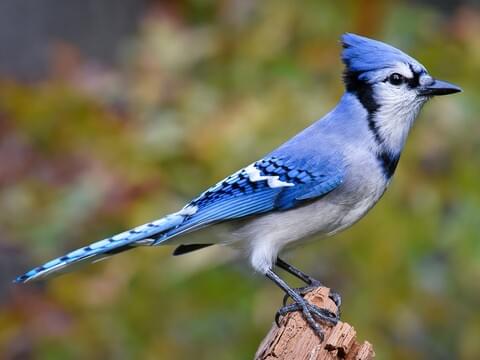
One of the most noticeable differences is the body covering. Birds are covered in feathers, which aid in flight, insulation, and display. In contrast, mammals are covered with hair or fur. This distinction is critical for classification, as feathers are unique to birds.
2. Reproduction
While birds reproduce by laying hard-shelled eggs, most mammals give birth to live offspring. Mammals nourish their offspring with milk produced by mammary glands—a trait entirely absent in birds. Some mammals, like monotremes (platypus and echidna), lay eggs, but they are still classified as mammals due to other defining characteristics.
3. Skeleton and Bones
Birds have lightweight, hollow bones to facilitate flight, whereas mammals have denser bones. The skeletal structure of birds is also adapted to support wings and a unique respiratory system that enables efficient oxygen exchange during flight.
4. Respiratory and Circulatory Systems
While both birds and mammals are warm-blooded and have four-chambered hearts, birds possess a highly efficient respiratory system with air sacs that allow for continuous oxygen flow. Mammals rely on lungs with tidal breathing, which is less efficient during extreme physical exertion compared to birds.
5. Body Temperature Regulation
Both are birds mammals are warm-blooded, allowing them to regulate and maintain a stable internal body temperature. However, the mechanisms differ: feathers provide insulation in birds, while fur or fat layers help mammals conserve heat.
6. Behavior and Communication
Birds are known for their vocalizations, including singing and calls used for mating or territorial defense. Mammals also communicate vocally but often rely on complex social structures, scent marking, and body language, which differ significantly from birds.
Conclusion
Birds are not mammals. Although they share some common traits like being warm-blooded, the differences in feathers, reproduction, bone structure, and physiology clearly separate the two classes. Understanding these distinctions highlights the diversity of life on Earth and provides insight into the fascinating adaptations that make birds unique. So next time you see a bird in flight, remember—it belongs to a world entirely its own, distinct from mammals yet equally remarkable.
