

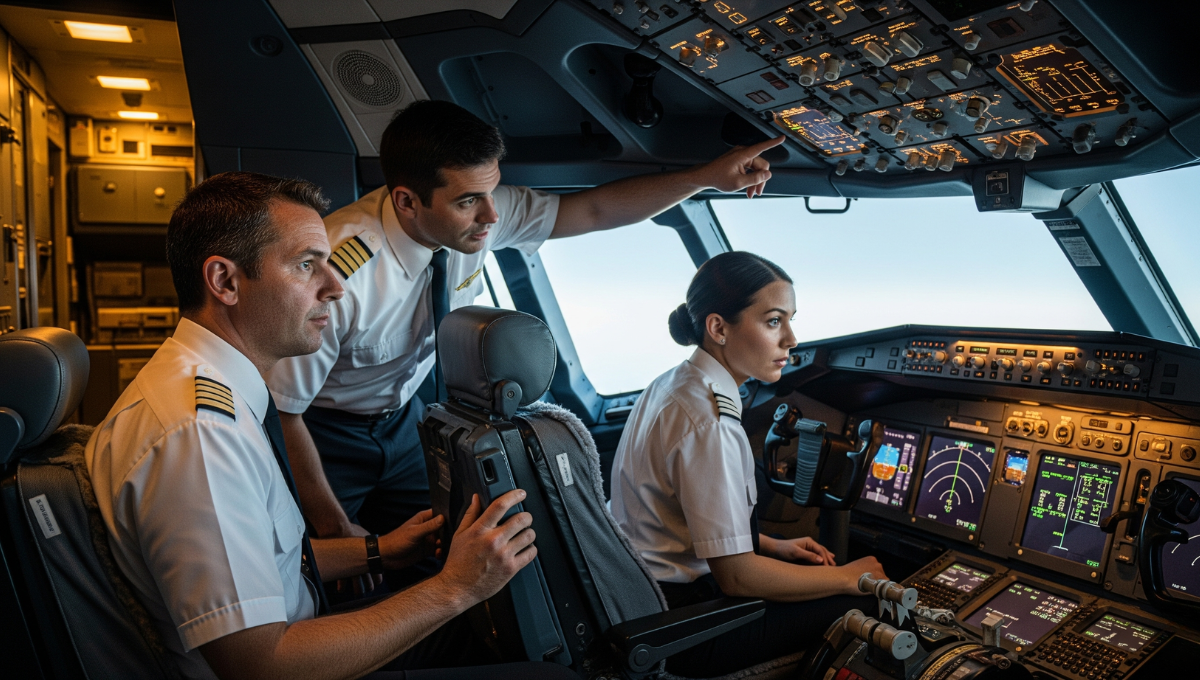
Air travel is considered one of the safest modes of transportation, but when unexpected events occur mid-flight, they can create tense moments for passengers, crew, and aviation authorities. One such case was United Airlines Flight UA770, which made headlines due to its unexpected emergency diversion. While the situation was handled professionally, it highlighted the importance of swift decision-making, safety protocols, and the resilience of both crew and passengers.
The Incident Unfolds
Flight UA770 was operating as a scheduled service when circumstances forced the pilots to divert from their original route. According to reports, the decision was made after an in-flight issue raised concerns that continuing to the intended destination might compromise passenger safety. Diversions in commercial aviation are not taken lightly; they typically occur due to medical emergencies, technical problems, or adverse weather conditions.
For UA770, the diversion was carried out swiftly, ensuring that passengers were brought to an alternate airport where the situation could be properly managed. Crew members remained calm, guiding travelers through the unexpected turn of events.
Why Diversions Happen
Emergency diversions like that of Flight UA770 underscore the critical role of safety in aviation. The main reasons for flight diversions usually include:
- Health-related emergencies: Occur when a traveler or crew member needs immediate medical care during the flight.
- Technical issues: If a mechanical or system malfunction needs immediate ground support.
- Weather conditions: Severe storms, turbulence, or visibility problems.
- Security threats: Unruly passengers or potential risks that must be addressed immediately.
While the specific details of UA770’s diversion remain under review, the airline has confirmed that safety was the priority and all necessary measures were followed.
Passenger Reactions
For those on board, the sudden change of plans was understandably unsettling. Some passengers expressed concern, while others praised the professionalism of the flight crew. Social media posts from travelers highlighted a mix of anxiety and relief—relief that the airline prioritized safety above all else.
United Airlines’ Response
In the aftermath, United Airlines reassured travelers that its safety standards remain uncompromising. The carrier emphasized that diversions, while inconvenient, are carried out only when absolutely necessary. Airlines train their crews extensively to handle emergencies, ensuring that passengers are in safe hands at all times.
The Bigger Picture: Safety in Aviation
Although the term “emergency diversion” may sound alarming, it is often a preventive measure rather than a sign of imminent danger. Modern aircraft are designed with multiple safety systems, and aviation authorities such as the FAA (Federal Aviation Administration) have strict protocols to protect passengers.
Incidents like that of Flight UA770 serve as a reminder of the aviation industry’s commitment to safety. They also showcase the professionalism of flight crews, who are trained to respond quickly under pressure.
Final Thoughts
The story of United Airlines Flight UA770’s emergency diversion is less about disruption and more about precaution. It highlights how preparedness, quick thinking, and adherence to safety measures can turn a potentially risky situation into a controlled and safe outcome.
